Wandering Northern England’s Canal Towpaths: Picnics, Locks, and Living History
Set out with us along historic canal towpath routes with picnic stops and heritage landmarks in Northern England, discovering gentle waterside miles where mills, aqueducts, and lock flights tell stories of ingenuity. We will suggest inviting lawns, quiet benches, and breezy cuttings for memorable picnics, while highlighting remarkable engineering like breathtaking lock staircases and soaring stone arches. Bring curiosity, a blanket, and your camera, then share discoveries so fellow readers can follow footprints between waterways, green parks, and kindly swans.

Start Here: Stitching Waterway Days That Flow Smoothly

Leeds and Liverpool: Locks, Mills, and Echoes that Carry

Northern England’s longest canal threads mill towns, wooded edges, and fields where the past still hums. Between Skipton and Bingley, the towpath passes limestone cuttings, stone bridges, and cafés that understand muddy boots. The famous Bingley Five Rise Locks, opened in 1774, lift boats like a watery staircase, while nearby Saltaire, designated a UNESCO World Heritage Site in 2001, pairs Victorian ambition with welcoming green. Picnic spots are abundant, from sunny benches to riverside parks with swans gliding past.

Across the Pennines: Rochdale Canal’s Dramatic Climb

Here, water muscles over the watershed through tight flights, stone bridges, and moorland edges where wind sculpts clouds. Locks gather in clusters, and towns like Hebden Bridge sparkle with color, craft, and café culture. It is a place to linger, photograph gritstone against rushing weirs, and choose picnic lawns that double as theatre seats for boat choreography. The summit pound near the border rewards effort with wide skies, while trains below stitch convenient returns between characterful stops.

Standedge and Huddersfield: Where Rock Meets Water

At Marsden, the Huddersfield Narrow Canal dives into Standedge Tunnel, Britain’s longest, deepest, and highest canal tunnel, stretching roughly five kilometers under the moor. The visitor centre explains candlelit passages and legging boats, while outside the portal, grass slopes and picnic tables welcome today’s unhurried travelers. Downstream, restored locks stitch through villages alive with bakeries and friendly accents. Expect narrow valley drama, echoing cuttings, and a sense that engineering audacity still hums beneath every ripple and footstep.

Picnic by the tunnel portal at Marsden

Set your blanket where cool air breathes from the tunnel mouth and listen for distant voices bouncing along brick. Boats emerging feel like time travelers, lanterns replaced by laughter and cameras. The museum’s displays prime conversation about navvies, moorland weather, and astonishing perseverance. Children adore peering into darkness; adults marvel at nineteenth‑century problem solving. Warm up afterward with coffee in the village, then dawdle along the pound, waving to walkers who traded trains for towpath tranquility.

Slaithwaite steps, locks, and irresistible bakeries

A little downstream, closely spaced locks create a lively rhythm. Pause where stone steps meet water, claiming a quiet perch for pastries still warm from local ovens. The canal skirts mill conversions and pocket gardens tended with pride. Ducks patrol for crumbs, so mind your picnic manners. Shopfronts are cheerful, coffee reliable, and conversation easy. Between locks, look for date stones and surviving hardware, humble clues to boatmen’s routines. Trains back to Huddersfield keep time friendly and flexible.

Stories from boat families and bank‑side helpers

Strike up a chat when a boat approaches a lock. Someone will share a grandparent’s memory of hauling, or a mishap turned hilarious lesson. These snippets animate the stone around you, revealing care, patience, and camaraderie. Offer to lend a hand opening gates if invited, then step aside safely. Later, write a few lines about the encounter while finishing biscuits. Small acts of curiosity and kindness build a living archive richer than any leaflet tucked into a pocket.

Lancaster Canal Serenity and the Lune’s Soaring Arches
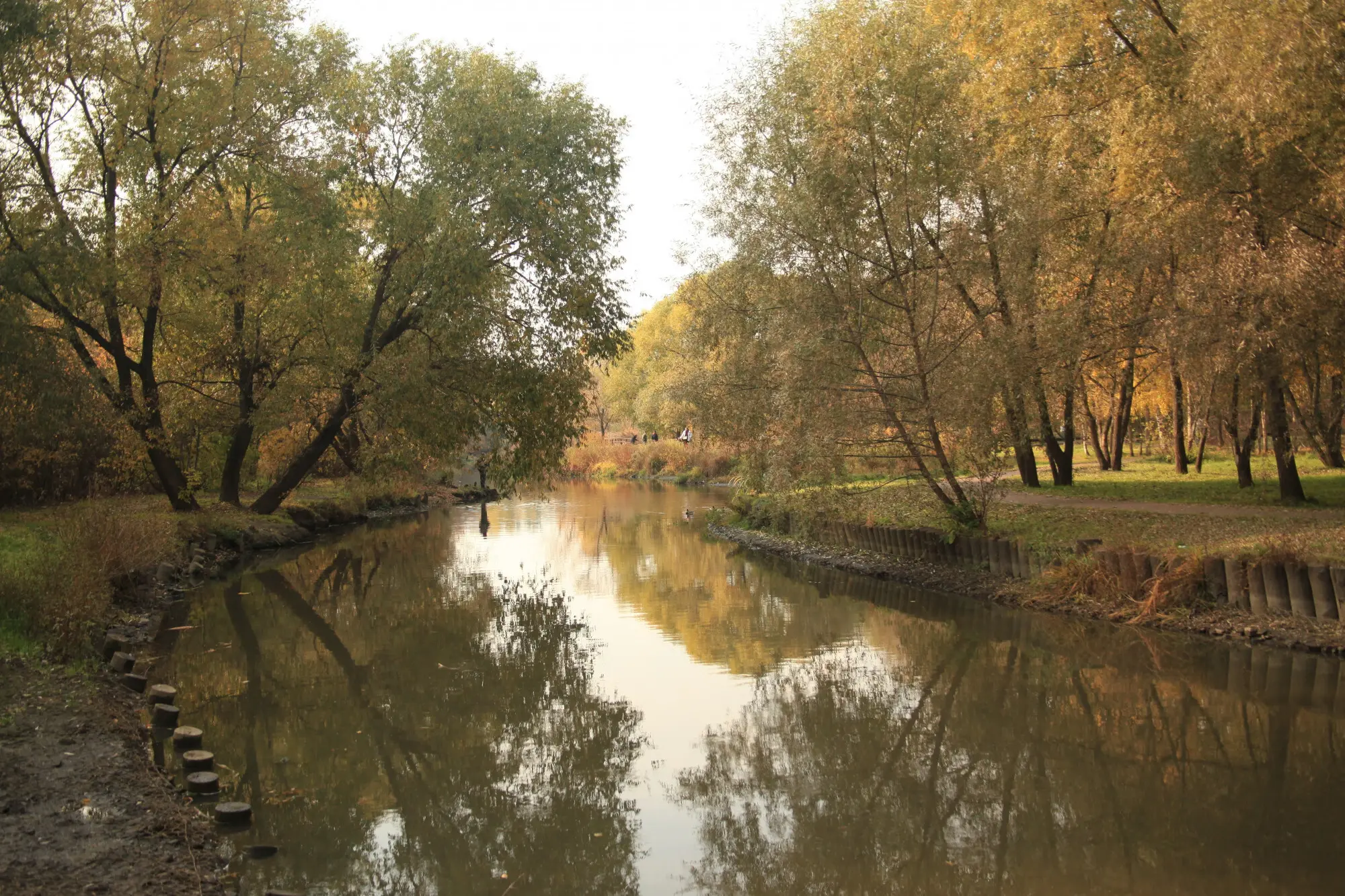
Here is miles of lock‑free calm north of Preston, tailor‑made for leisurely strides and long conversations. The Lune Aqueduct, completed in the 1790s to John Rennie’s elegant design, lifts boats across the river on five noble arches. Views stretch to distant fells, while towpath benches invite unhurried lunches. Further south, the Glasson Arm ambles toward tidal scents and seabirds. Wildlife thrives along reed‑lined margins, and evening light turns stone bridges amber, perfect for reflective photos and quiet gratitude.

Lunch upon the Lune Aqueduct’s grand shoulder

Climb the ramps and feel the perspective shift as the river glitters far below. Parapets frame moorland silhouettes while swifts scribble excitement overhead. Choose a sheltered nook, unwrap cheese and chutney, and listen to footsteps rounding curves. Panels explain Rennie’s engineering, marrying strength and grace. Photographers love how arches repeat into rhythm. Afterward, drift north toward Hest Bank for seasalt air carried inland, or loop back through city greens to discover an ice cream before trains home.

Wildflowers, water voles, and patient watching

Between spring and late summer, cow parsley, meadowsweet, and purple loosestrife paint the edges, inviting bees and butterflies. Sit quietly and you might spot a water vole’s ripple and quick brown silhouette. Keep dogs close, step gently around burrows, and avoid trampling margins. Birdsong sketches layers behind boat engines, while dragonflies patrol sunny gaps. A picnic becomes a field class if you pause long enough. Jot sightings, then share them with local groups who map flourishing habitats.

Glasson Dock finish with a tang of tide
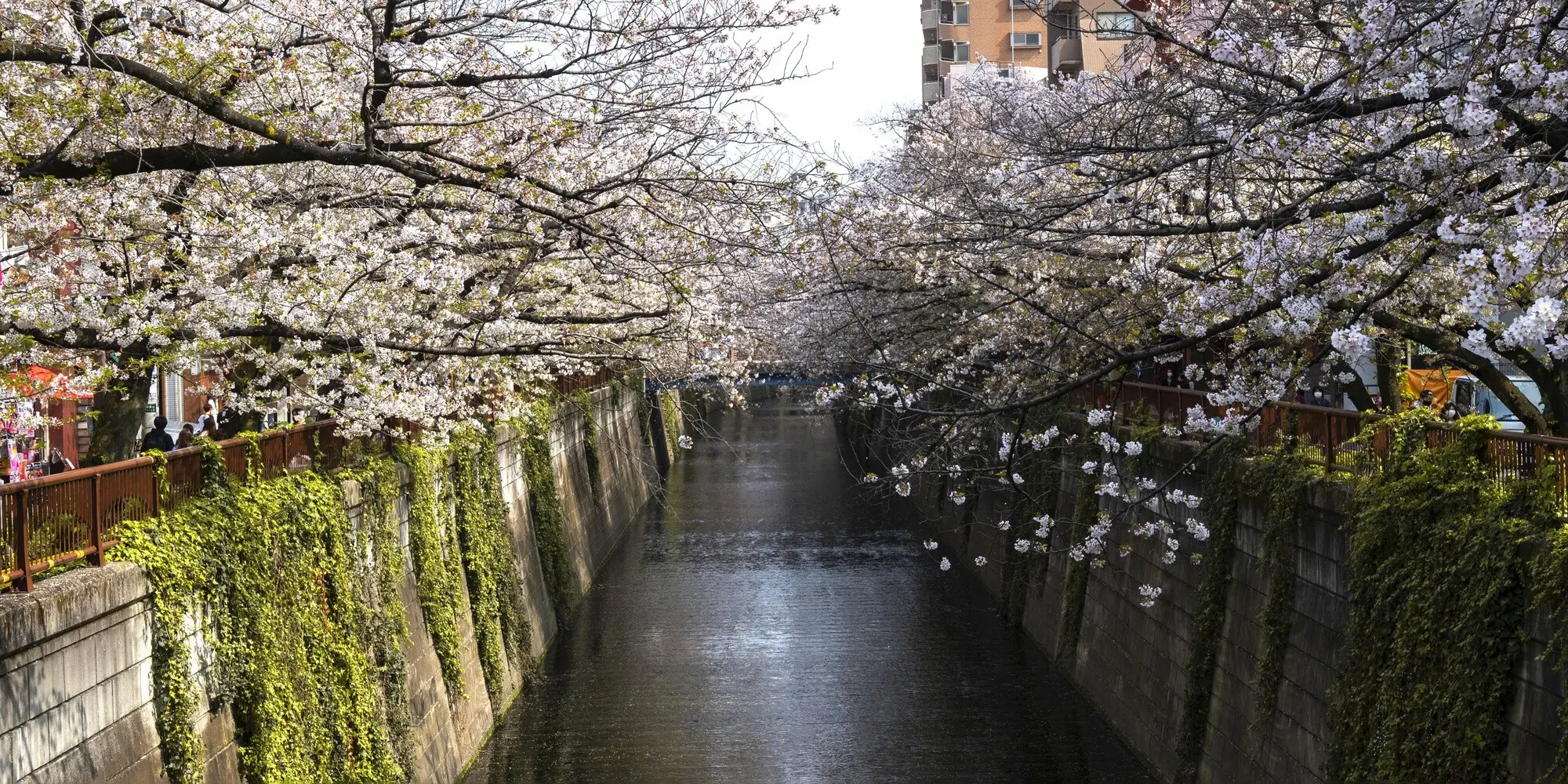
Follow the Glasson Arm as the air changes character, hints of salt and gull calls joining the soundtrack. The dock’s working character contrasts beautifully with hushed inland miles. Find a bench, unpack the last biscuits, and watch boats ease through the sea lock. Fishmongers and cafés tempt, though self‑catered lunches still taste best outdoors. Buses and bikes expand options for return routes. It is an ending that feels like a beginning, where canal stories meet maritime horizons.

Castlefield steps, sun‑warm bricks, and easy lingering
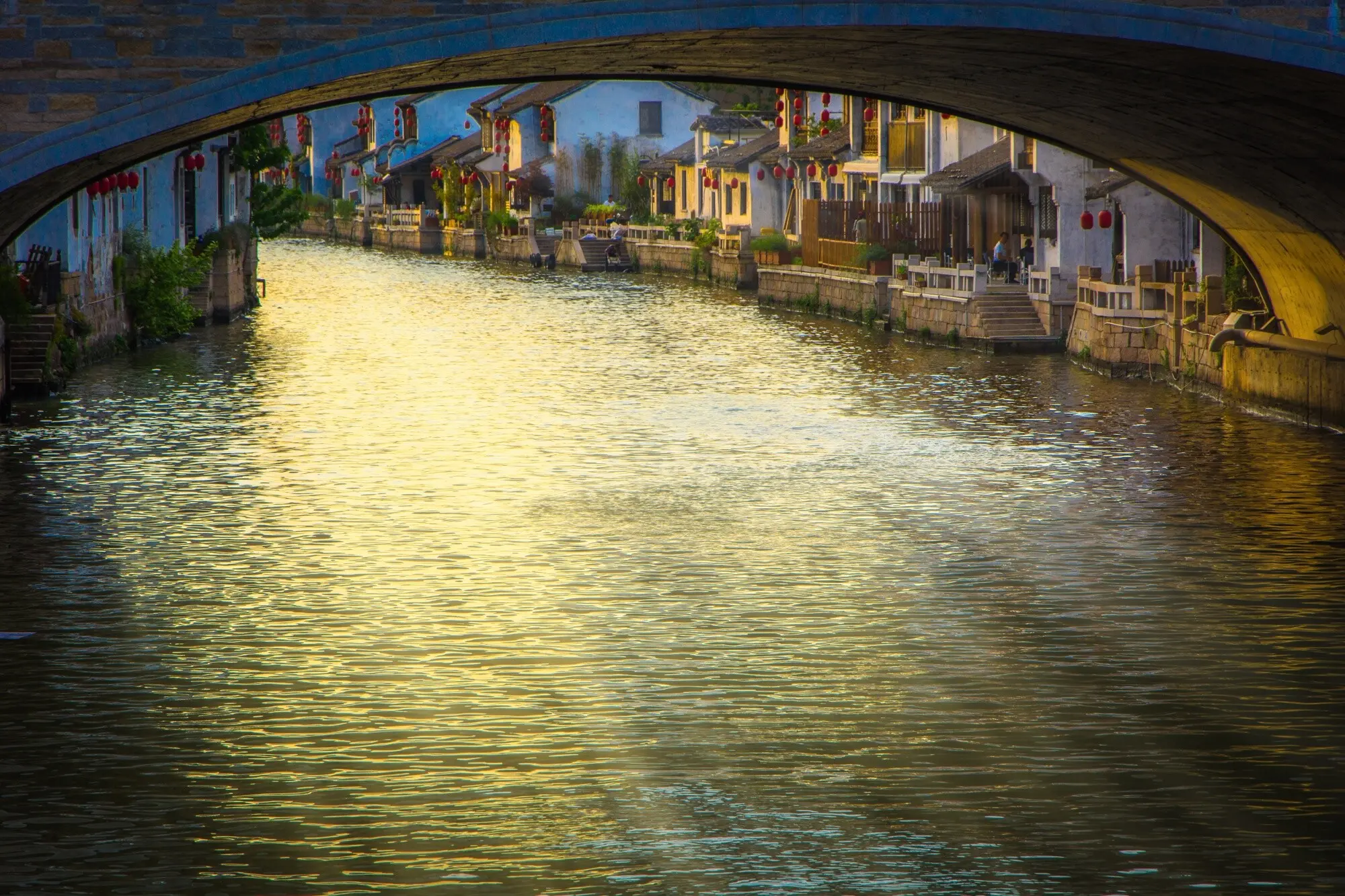
Take a seat on amphitheatre steps where water reflects a lattice of iron and sky. Boats maneuver slowly, tourists marvel, and locals reclaim lunch breaks outdoors. Unwrap pies, sip tea, and trace lines where wagons once rattled. Interpretive boards explain feats that powered a revolution. Pigeons coo, cyclists ring politely, and the city’s pulse softens. When ready, drift under arches, counting textures of rust, paint, and brick that make every photograph feel layered, authentic, and satisfyingly northern.

New Islington Marina’s gentle pause and pastries
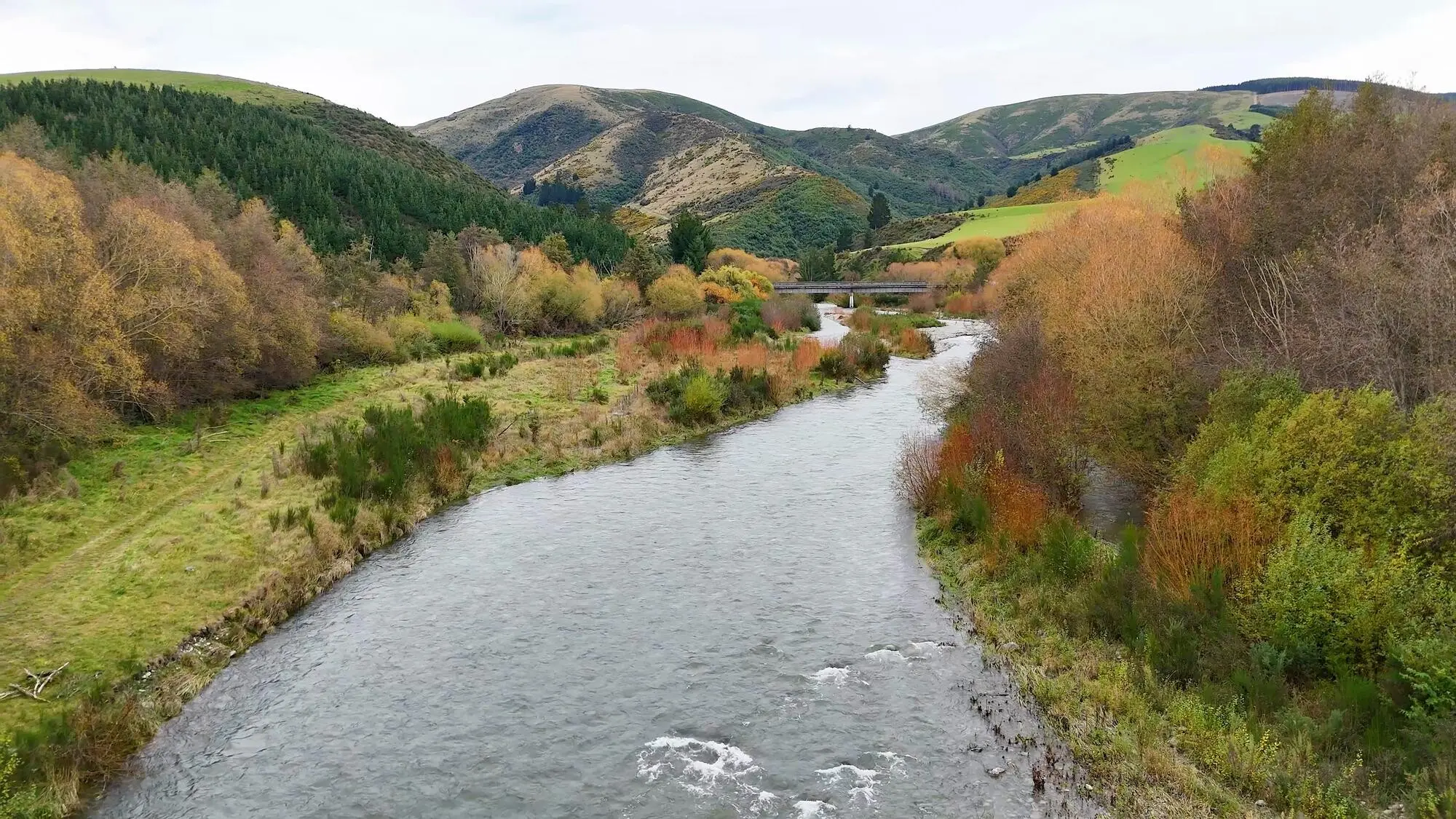
Moorings, reeds, and colourful boats knit a calmer pocket beside new apartments. Grab pastries from nearby bakeries and find a low wall or bench overlooking still water. Families push buggies, joggers slow, and conversations collect like ripples. Urban greening adds habitat for coots and tufted ducks. Look for reflections at golden hour when windows flare and boats glow. This is proof a modern district can court serenity without losing character, a restorative halfway point before returning or exploring farther.

Street art, mills reborn, and canal‑level discoveries

Keep eyes alive for murals, ghost signs, and little iron details hiding near footbridges. Many mills now cradle studios and roasteries, so picnics pair naturally with outstanding coffee. Pause where sunlight tunnels along brick and feel the warmth on your shoulders. Ask locals about hidden cut‑throughs and best viewpoints. Urban heritage thrives when people notice, photograph, and share. Add your voice afterward, posting reflections and route tips so tomorrow’s walkers step out with confidence and curiosity.

Etiquette, Safety, and Leaving Nothing but Ripples

Towpaths are shared threads between history, habitat, and today’s walkers. Good manners keep the weave intact. Anticipate cyclists, slow at blind bridges, and smile liberally. Bag every crumb and wrapper so swans do not learn bad habits. Respect anglers’ lines, give boats space, and keep dogs close near nesting birds or livestock. Check forecasts, watch edges after rain, and note life rings. Conversations, thank‑yous, and small courtesies ensure everyone’s day flows as smoothly as the water beside them.

Sharing considerately with wheels and rods

Walk single file on narrow sections, respond to bicycle bells with a friendly shoulder, and approach bridge holes carefully where sightlines fail. When passing anglers, give rods and keepnets wide berth, and avoid casting shadows across floats. Children learn quickly by example, so narrate your choices. If you stop for photos, step aside fully. Little rituals of courtesy accumulate; they are as important as locks and bridges in keeping these routes welcoming, safe, and joyfully sociable for everyone.

Weather, water edges, and steady judgment

Canal edges can crumble after persistent rain, so resist stepping onto inviting but unstable turf. Algae slicks make cobbles treacherous; test footing and slow down. Layers handle Pennine breezes that outpace forecasts. Keep dogs from leaping after moorhens, and supervise children near locks where currents swirl. Note orange life rings and access points. If lightning threatens, leave open ground. Trust your timetable to daylight, not wishes. A well‑timed retreat often preserves the day’s best memories and photographs.
Vexotavonovisavi
Privacy Overview

This website uses cookies so that we can provide you with the best user experience possible. Cookie information is stored in your browser and performs functions such as recognising you when you return to our website and helping our team to understand which sections of the website you find most interesting and useful.